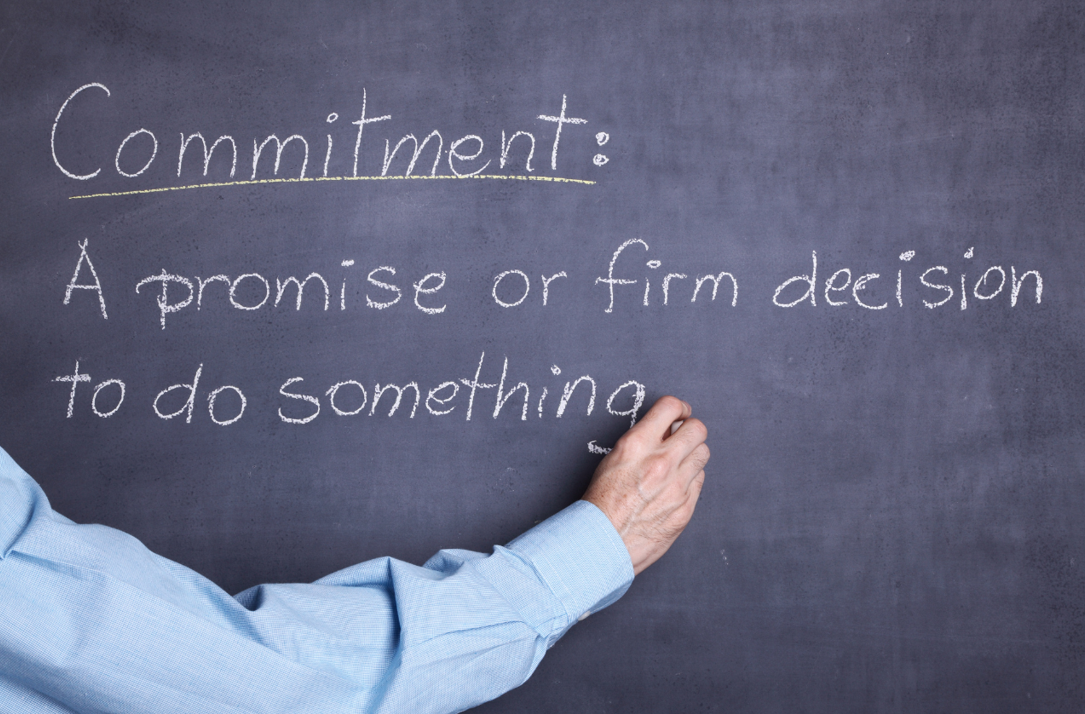
Gaining Commitments through Trading Value
Sally was staring at her pipeline, particularly at that opportunity that did not move forward. At the first meeting a few days ago, her customer contact sounded enthusiastic about what Sally shared. They agreed to call each other by the end of this week. But now, all her attempts to reach her were ignored.
Trading Value
Gaining commitments is crucial during every sales call or meeting. This sounds easier as it is, and hence, Sally is not alone here. Trading value is a critical concept in commitment gaining. You need to promise something of equal or greater value in exchange for the commitment you ask for. Below are examples of what goes through the customer’s mind when you ask for a commitment—and the value you need to deliver in exchange for their time.
As Anthony Iannarino said in his book ‘The Lost Art of Closing’:
Every commitment you ask for must create value for your stakeholders. And it is your job to explain or remind them what that value is.
Anthony Iannarino
| THE COMMITMENT YOU ASK FOR | The stakeholder’s thinking | THE VALUE YOU EXCHANGE FOR THEIR TIME |
|---|---|---|
| To agree to a first meeting / a coffee / a get-to-know-each each other | I will, if it is worthwhile my time | To share insightful information related to their challenges – that may change their perspective |
| To explore change | Only if you specify the impact on our business | Through educative collaboration I will show the impact and how that may lead to a better outcome for your business |
| To a next meeting | What will we cover? | Be specific about what the objective is and what you will share. Ask: ‘Who else has an interest in this conversation’? |
| To view a video message | OK, if it takes less than 2 min and gets my interest within 20 seconds | Key insights from 3rd party research on trends and risks that will impact your business and how you operate. |
| To share your video message with their manager | If it is important enough for management level | From my experience, change is affecting many functions and organizational layers. Getting them in early will benefit both of us. |
| To share your story with the bigger buying room of how you have helped other similar customers with similar challenges | This makes sense – if I can remember it and can tell it well | Share a simple but effective customer success story using the storytelling structure |
| To visit their premises for a facility/warehouse tour | Only if I understand what’s in it for me… | Saving time to get to know your IN-DO_OUT. This will benefit our collaboration |
| To visit your premises for a facility tour | This takes me more time; I will say yes if I understand what’s in it for me… | When it comes to the Change to What? Buying Phase, you will understand more details about what solution criteria are important. This will benefit our collaboration, and you will have other customers to network with. |
| To get data to build a business case either with yourself or a team member | Please make it clear what data is missing for a strong business case | A business case will help you and me get senior management’s attention and interest in getting involved. |
Learn and Practice
The weaker the value of your exchange, the easier it is for your stakeholders to reject it. If you want the commitments you ask for, you have to improve the value proposition, and this needs to be clear to your stakeholders.
Rejections are feedback that the value you offered to exchange was not strong enough. Take the feedback and adjust your value description to create a different outcome. It is sometimes a matter of words and how you say it. Practice your value statements with your peers and sales manager until you feel confident using them next time.
Your Action
Expand the above table with your peers and teams.
Conclusion
Gaining commitments is a skill, and like Sally, you need to be good at it to move opportunities forward.

You may also like


How Do You Prepare For Meetings Where You Want A Commitment?