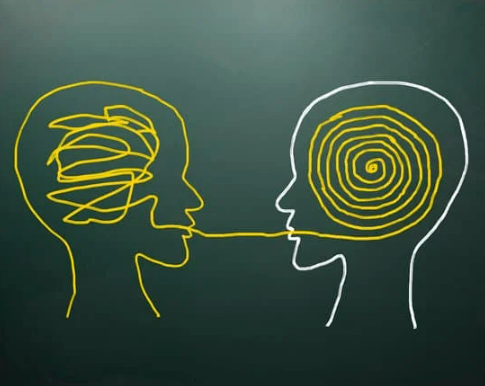
Listen to Understand, not Listen to Sell
If you are a loyal follower of my blog, you know I am passionate about how the psychology of selling can make us better sellers. The title, Listen to Understand, not Listen to Sell, makes you reflect on how a salesperson’s mindset influences the success of customer meetings.
Perception and Expectations
Fundamentally, customer meetings are dialogues between two or more people who aspire to gain value from the conversation. In the traditional way of selling, the value sought by both differs. The Customer seeks a service or product to give them a sustainable competitive advantage, and the seller aims to win the opportunity and close the deal.
However, in Selling with the Buyer’s Perspective, we want to push value creation one level up. We want to help customers with their objectives, like growing their business, and steer the interaction around that.
But how do you do that when meeting customers you have never met? You want to be that trusted advisor, but there is no relationship yet. Both the Seller and the Buyer start with a clean sheet. What is their perception of you before the meeting? What are their expectations of how the meeting will go? What is their desired outcome?
If the Customer, by default, goes into a meeting interested in what you sell, and you go into a meeting to sell your solution, the meeting will evolve precisely like that.
A Disadvantage
Unfortunately, salespeople are still at a disadvantage regarding how customers perceive us. Over the years, we have shifted from pushy, self-centred, and only interested in the commission check to more trustworthy and customer-focused. But Customers still see us as someone who wants to sell them something.
How do we change the perception?
What factors drive the Customer to the highest levels of trust and willingness to engage with a Salesperson in a peer-to-peer dialogue about growth and strategy? And not be seen from the start as ‘that sales guy or woman’?
It all starts with your mindset.
In my view, it is our mindset that makes the difference. Although:
- You are prepared with what you want your Stakeholder to discover.
- You have prepared insights that may change the Stakeholder’s perspective.
- You are also prepared how to build credibility early in the meeting.
Still, the risk is you are again perceived as the Salesperson who wants to sell something.
From monologue to dialogue
Listening to understand, not Listening to sell, is one of those reminders that we need to apply active listening from the very start of the conversation. The Customer may have something different in mind than what you had prepared. Listening to understand will enable a dialogue where the Customer feels you care about their objectives. If that leads to the insights you want to share, great! You want to sell, but you need to listen to understand first.

You may also like


Why “Buying” a Growth Idea Is Harder Than Anyone Admits